
The Craft of Living, Part I: Placing Yourself Where Creativity Can Find You
Exploring how Old Town Alexandria—and the spaces we choose to inhabit—can awaken creativity, invite stillness, and remind us to craft a life worth noticing.

There is an antique store in Old Town that I always pass when I need inspiration.
When the weather is warm, the owner sits outside surrounded by curiosities that make you pause mid-walk: painted teacups, tarnished mirrors, and old maps curled at the corners. Last fall, it was a row of tiny, well-loved books that stopped me in my tracks. Tiny, as in small enough to fit in your pocket.
The owner told me they were printed shortly after World War I; some editions were given to soldiers during the war itself. Many were pocket Bibles and collections of poetry, but a few were stories I knew: Pride and Prejudice, A Christmas Carol, and Dr. Jekyll and Mr. Hyde. I bought several and spent the rest of the afternoon walking through town with little pieces of history in my coat pockets. They felt like reminders of how the story survives, even when the world feels unsteady.
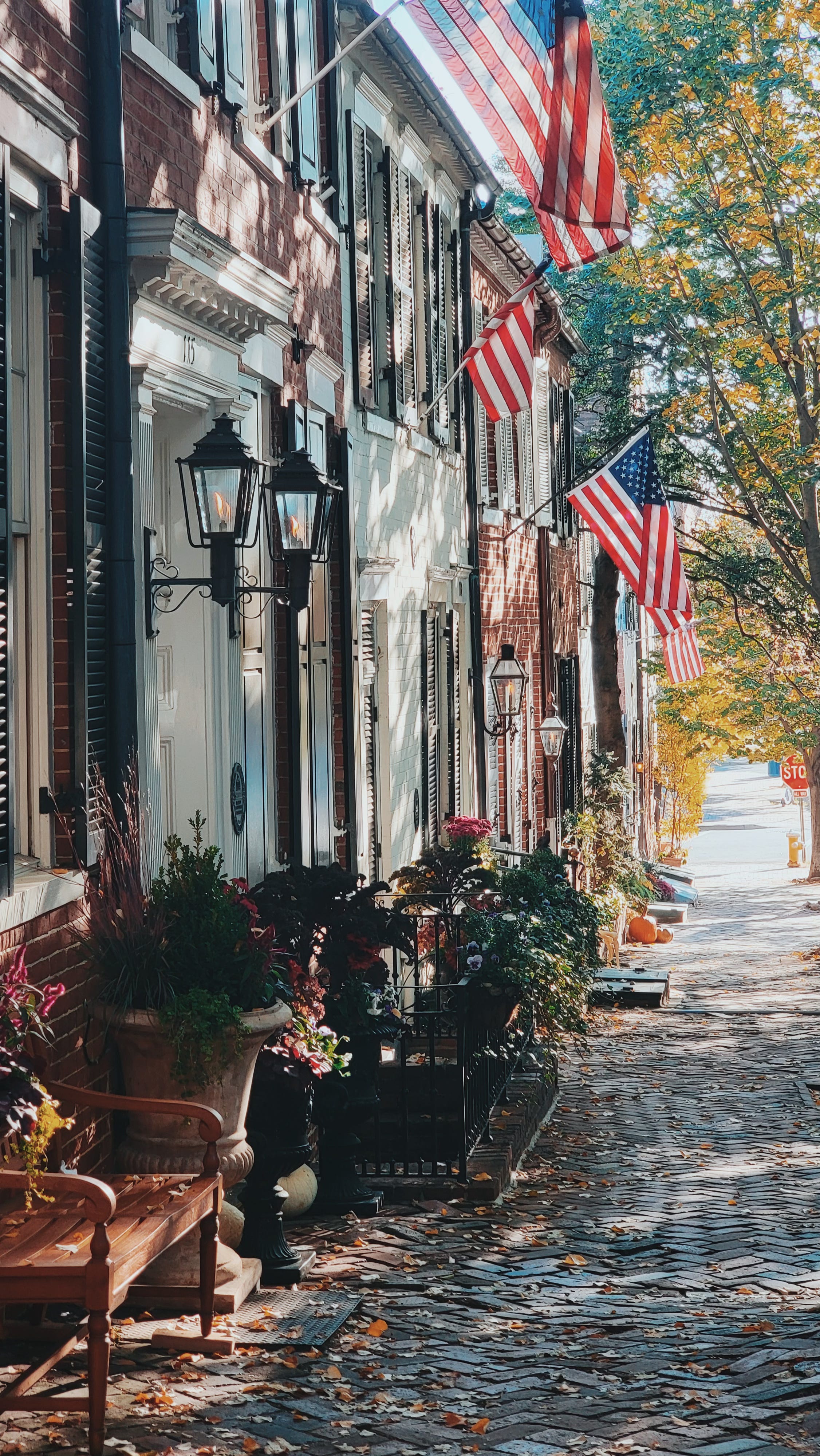
Moments like that make me love where I live. Old Town, Alexandria, has a way of folding history and beauty into the everyday. It is here that I’ve begun to understand what I call the craft of living.
If living in story is about seeing life as something meaningful, then the craft of living is about shaping that meaning through the choices we make each day. It’s learning to place ourselves where creativity can find us and allowing those spaces to refill what the pace of ordinary life tends to drain.
When I feel disconnected from my work or from myself, the answer is rarely to push harder. More often, I need to step outside and find a place that reminds me what it feels like to be alive. For me, that practice begins close to home, among the streets that have quietly become part of my creative rhythm.
When I crave a change of scenery or feel that familiar ache to travel but can’t just hop on a plane, I look for places in town that can transport me somewhere new. One of those places is Turkish Coffee Lady, a warm, woman-owned café that feels like a small piece of Istanbul tucked into Old Town.
The scent of cardamom and roasted beans greets you before the door even closes behind you. The owner has become a friend, and everyone who works there remembers me, too. We often chat about the latest Turkish dramas on Netflix while my coffee is being made. The walls are covered in bright ceramics and a large painting of the Istanbul skyline, and I like to sit beneath it with my journal open, letting the music and color surround me.
There are afternoons when I lose track of time, writing for hours with the taste of strong coffee on my tongue. It reminds me that inspiration doesn’t always require a passport; sometimes it just takes finding the right corner in your own city that makes you feel like you’ve stepped into another world.
When I need more air, I walk to the waterfront. I love it most in the late afternoon when the light begins to soften and the river mirrors the sky in gold and rose. The air smells faintly of salt and brick, and the sound of footsteps on the boardwalk feels like a rhythm my thoughts can follow.
I usually walk without a plan, letting myself drift along the edge of the river until I end up at BARCA, the restaurant that stretches out over the water. I order a glass of wine and sit for a while, watching the light change. Sometimes I open my notebook, but often I just watch. There is something about water that steadies me. It reminds me that movement can also be rest, and that creativity sometimes begins in the quiet act of noticing.
These walks have become their own form of journaling.
The pen may stay closed, but I’m still writing in a way—storing details, shaping thoughts, paying attention. A line of dialogue from a nearby table, the sound of cutlery against glass, the way the light flickers across the surface of the river.
These experiences feed the work long before I sit down to write again.
As I walk home, I often stop to look into the windows of the antique shop where this story began. By then, the owner has usually closed up for the day, but the display still catches the last traces of light. It reminds me that beauty waits for those who linger.
Lately, I’ve been trying to be more deliberate about how I spend my time.
When I plan my days or weekends, I ask simple questions:
Where do I feel most awake?
What places leave me lighter than when I arrived?
What moments help me return to myself?
Those questions are how I find direction again when things start to feel flat. Sometimes the answer is a walk by the river or an afternoon at the café. Other times it’s choosing to stay home and give myself quiet.
The point isn’t to do more; it’s to spend more time in the places and rhythms that help me notice life again.
I think about that small antique shop often, especially the tiny books that once belonged to soldiers. They were meant to be carried—something durable and human to hold onto in difficult places. I used a few pages in my collages, and they remind me that creative work, like living, is an act of renewal. We take what has been worn or overlooked and give it another form of life.
Maybe that’s what the craft of living really is: finding the things that still speak to you and letting them shape the way you move through the world.
Where are the places that help you feel more like yourself?
Maybe it’s a coffee shop that makes you linger, a walk that clears your head, or simply a morning that belongs only to you.
Pay attention to those places.
They’re not luxuries.
They’re how we begin again.